


PEIRA Finds 50 Illegal Schools, Targets 17,000 Out of School Children
Nadeem Tanoli
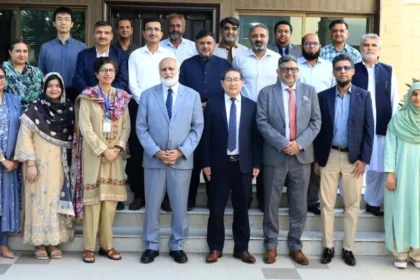
Islamabad: The National Assembly Standing Committee on Federal Education and Professional Training was informed that PEIRA has detected 50 completely unregistered private schools in Islamabad, while 17,000 out-of-school children have been identified for placement in government, private and community schools. Dr. Ghulam Ali Mallah gave the briefing during a committee meeting chaired by MNA Syeda Amnah Batool.
Dr Ghulam Ali Mallah, who held acting charge of PEIRA for three months after the previous chairperson left, told the committee that the authority shifted its registration and internal approval system online within one week. Earlier, schools had to bring physical files to the PEIRA office, but now they can complete registration and approval through an online portal.
PEIRA has also fixed March and April as the only two months for school registration and renewal. The authority said this will reduce confusion because renewals were previously done in different months throughout the year. The new system has been linked with the admission season.
The committee was told that the inspection system has also changed. Earlier, only one PEIRA officer inspected a school, which could create chances of bias or favouritism. Now, a three member inspection committee, including officials from organisations such as the Federal Board and IBCC, visits schools and submits reports within one week.
PEIRA has resolved the issue of around 200 to 300 schools whose renewals were stuck. It has also identified 50 unregistered private schools in Islamabad, and inspection teams have been formed to bring them into the legal registration system.
Dr Mallah said fake School Leaving Certificates were also a serious issue, as agents were preparing fake documents and parents faced problems in getting genuine certificates attested. PEIRA has now linked the School Leaving Certificate system with its online portal. When a student leaves a school, the school updates the record online, and PEIRA verifies the data before stamping it.
The committee was informed that PEIRA has issued 15,500 digital School Leaving Certificates. The process is now fast, free and designed to end the role of fake agents. Login IDs and passwords have been given to all 1,600 private schools.
The meeting also discussed the 10 percent free admission quota under the Right to Free and Compulsory Education Act. PEIRA has collected data from 500 schools to check compliance. The authority said first priority will be given to out of school children, second to orphans, and third to children of Shuhada.
Dr Mallah confirmed that elite schools are also included in the list of 1,600 private schools. However, he clarified that a poor child can be admitted to an elite school only if the child passes that school’s entry test.
The committee was told that poor children do not need to use the PEIRA portal themselves. BISP, NCHD and 500 university volunteers surveyed 30 union councils and identified 17,000 out of school children in Islamabad. These children will first be placed in FDE government schools. If those schools are full, they will be placed in private schools under the 10 percent quota or in community schools.
PEIRA also briefed the committee about school fee increases. Schools are allowed to raise fees by 5 to 8 percent annually, but many earlier did so without informing the authority. Now, schools must declare fee increases on the portal, and PEIRA will not process annual renewal unless the increase is disclosed.
For the first time, PEIRA has also started issuing e licences to private schools. The authority said this step is part of its move towards digital regulation.
The issue of drugs in schools was also discussed. PEIRA said random monitoring teams visit schools with a proper proforma. Only one school reported a student caught with drugs, and the child was given a first time warning. PEIRA is also running awareness campaigns with the Anti Narcotics Force and psychologists.
Dr Mallah said PEIRA has launched an e complaints portal for students, parents and teachers because manually handling complaints from 1,600 schools is not possible. He said teachers also use the system, including complaints about private schools forcing them to work on Saturdays and Sundays.
Teacher qualification was another major concern. Members said parents pay heavy school fees but still spend large amounts on home tuitions because some schools hire underqualified teachers. PEIRA said it is preparing a school categorisation system instead of immediately shutting down weak schools.
Under the proposed system, schools with teachers holding only bachelor’s degrees may be placed in Category C. Schools that improve teacher qualifications, appoint master’s or PhD teachers, build proper security boundaries and improve facilities may be upgraded to Category B or A. Schools may be given three to six months to remove weaknesses.
The committee also discussed tuition culture and teacher retention. Dr Mallah admitted that tuition has become a sad nationwide trend and said even his own son takes O level tuition. Members suggested that PEIRA introduce two to three year contracts or bonds between private schools and teachers so students are not affected when teachers leave after a few months.
PEIRA was also mentioned during discussion on the Dyslexia Bill. The authority, along with NAVTTC, IBCC, FDE and others, is expected to be called to the next sub committee meeting to discuss policies for dyslexic students in private institutions.
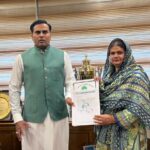
The committee appreciated the reforms introduced by Dr Mallah during his acting charge and requested the ministry to either make his charge permanent or ensure that the next regular appointee continues the same progress.
Copied from: PEIRA finds 50 illegal schools, targets 17,000 out of school children