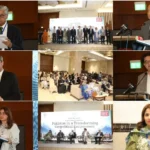
RAWALPINDI: Experts at a dialogue titled “Women and Water” held at Fatima Jinnah Women University, Rawalpindi, stressed the need to place women at the centre of water management, climate adaptation and decision-making processes.
They said sustainable water systems could not be developed, nor climate crises effectively addressed, without the meaningful participation of women.
The dialogue was organised by Shehersaaz under its Project for Urban Climate Change Adaptation and Resilience (PUCCA-R). Water experts, academics, environmental activists and community representatives attended the event.
Speaking on the occasion, Shehersaaz Executive Director Almas Shakoor said building the capacity of local institutions and communities was the need of the hour to deal with climate-related challenges such as water scarcity, floods and droughts in Rawalpindi and Nowshera.
Participants expressed concern that existing national data on water did not fully reflect the issues faced by women, girls and marginalised groups. They called for comprehensive gender-based data collection at the local level for water planning and policymaking.
They also voiced concern over the rapidly increasing urban population, conversion of agricultural land into residential areas and the continuous decline in groundwater levels. The participants stressed the need for rainwater harvesting, use of modern water technologies, private sector cooperation and research partnerships with educational institutions.
The dialogue agreed that although women play a primary role in household-level water use and management, their representation in water-related policymaking and decision-making remains extremely limited. Speakers said increasing women’s participation was essential for effective and sustainable water systems.
Participants also recommended making environmental education part of the curriculum at the primary level and promoting safe water-use habits among children.
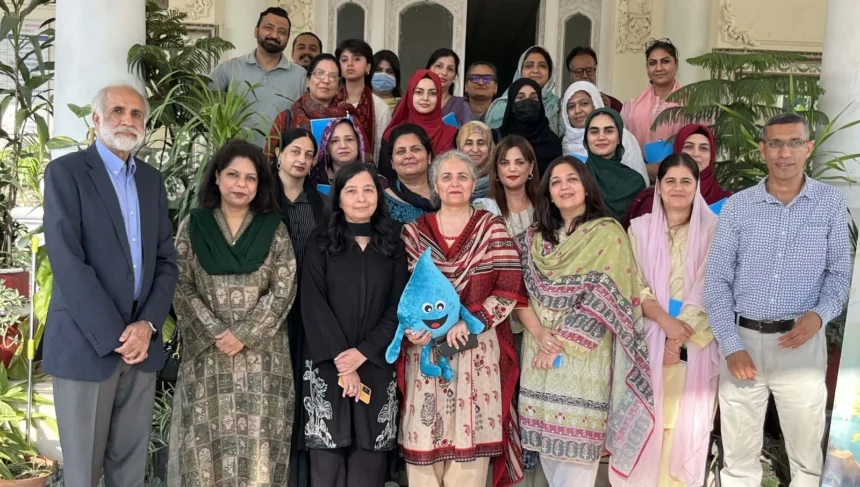
On the occasion, Shehersaaz introduced a symbolic character named “Dropy” for its water conservation awareness campaign.
At the conclusion of the dialogue, participants underlined the need for effective collaboration among the government, educational institutions, civil society and local communities. They said women and marginalised groups must be made an integral part of water management and decision-making processes to address the challenges of climate change.