




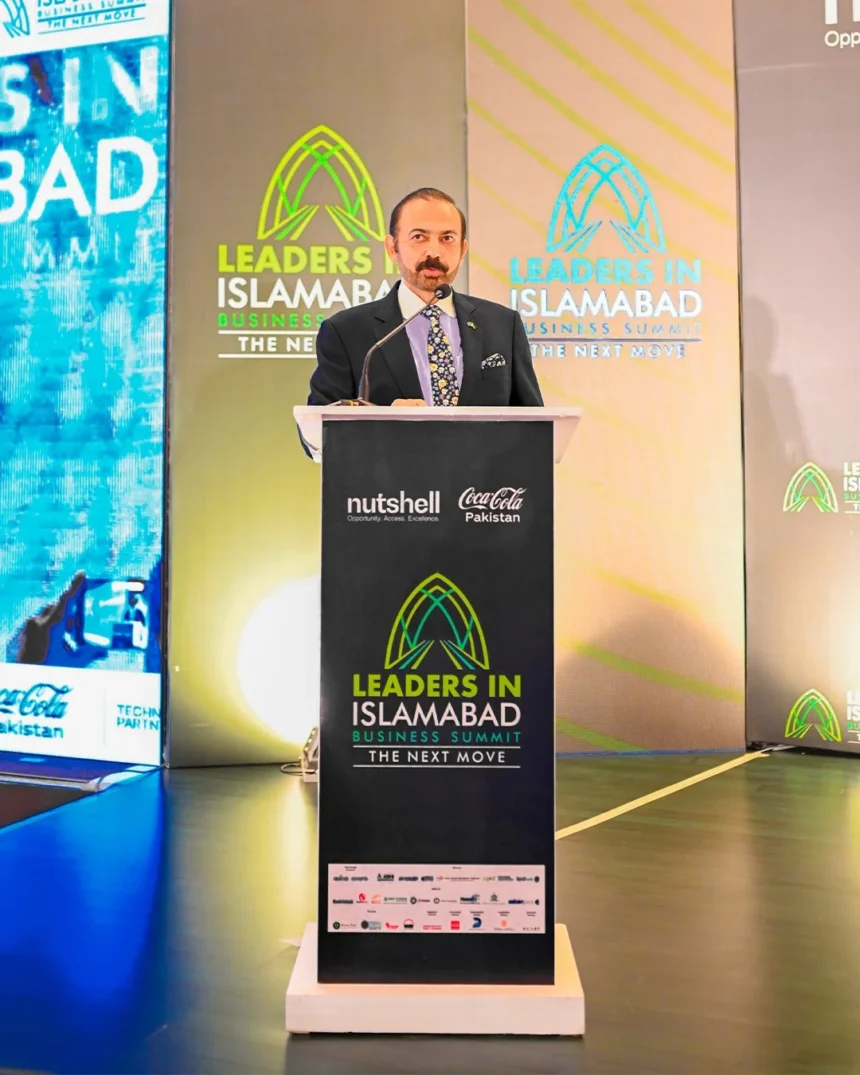
ISLAMABAD: The beverage industry has the potential to contribute significantly to Pakistan’s broader economic recovery if provided a level playing field and a predictable, transparent regulatory environment, Dr Faisal Hashmi said at The Leaders in Islamabad Business Summit 2026.
The summit, held yesterday in the federal capital, brought together top corporate leaders, policymakers and economic experts to discuss strategies for sustainable economic stabilisation and industrial growth.
Speaking during the opening session, Dr Hashmi, Senior Director at The Coca-Cola Company and Chairman of the Beverages Advisory Foundation, acknowledged recent government policy interventions and appreciated the relief measures extended to industry.
“We have seen a few reliefs from the government, and we are thankful for these great efforts. We have been working with other industries to support the stabilization of the economy,” he said.
Highlighting the private sector’s long-term commitment, he said the beverage industry alone had invested around $3 billion over recent years.
Dr Hashmi said Pakistan’s beverage sector had vast untapped growth potential and could become a key contributor to wider economic recovery. He stressed that an equitable and business-friendly tax regime would allow the sector to expand its economic footprint through transparent tax compliance, high-quality production standards and large-scale livelihood creation across its extensive supply chain.
“By establishing a predictable, stable, and transparent regulatory landscape, global investors will view Pakistan's high-density market far more favorably, opening doors to much-needed Foreign Direct Investment (FDI). Strengthened FDI and sustainable growth in the beverage sector will, in turn, enable industry leaders to reinvest meaningfully into local communities through social impact initiatives, environmental stewardship programs, and youth development, ensuring economic growth translates into lasting community progress,” he added.
Dr Hashmi also called for a balanced fiscal policy that incentivises compliant formal market players while bringing the large informal sector under regulatory oversight and the tax net.
He said documenting and regulating informal operators would widen the national tax base and safeguard consumer health through standardised quality controls, while also sending a positive signal to global markets and investors.