A photo exhibition at the Pakistan National Council of the Arts focused on the suffering of Soviet people during World War II under the theme Day of Remembrance for Victims of Genocide of Soviet People (1941–1945), drawing attention to the human cost of the Nazi invasion and the wider wartime context. The display of archival images aimed to preserve memories of loss, survival and resilience and to place Soviet suffering within public discourse in Islamabad.
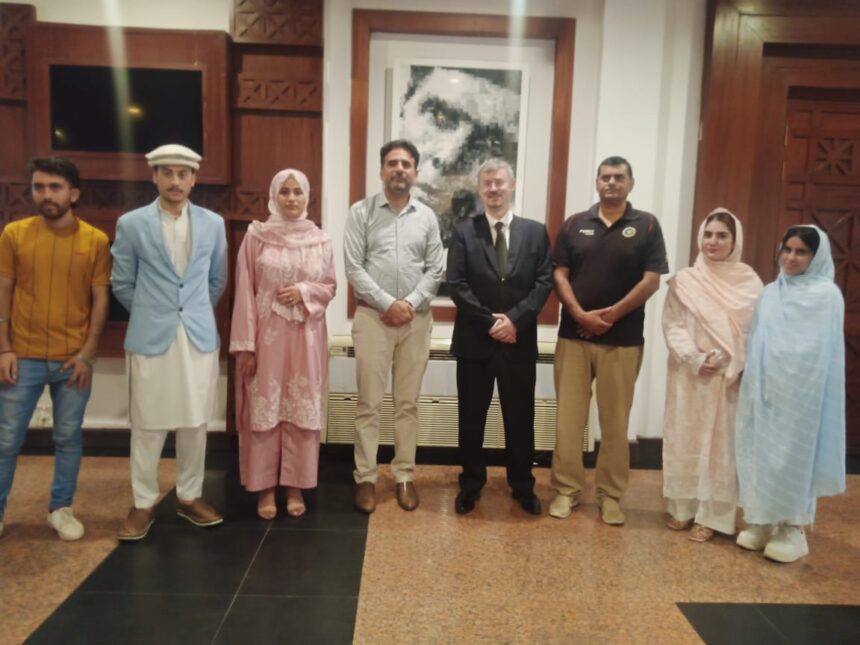
A delegation from Federal Urdu University Islamabad attended the exhibition under the leadership of Dr. Faisal Javaid. Faculty members including Dr. Sikander Zarren and Chaudary Rasheed Sul accompanied students who engaged closely with the photographs and accounts, reflecting on historical lessons and international perspectives that complement their academic studies.
Diplomats from Russia, Iran, Azerbaijan and Uzbekistan were present for the event. The Russian Ambassador emphasized that the sacrifices of Soviet people are frequently underrepresented in global narratives and argued that the Soviet resistance was decisive in shaping postwar Europe. Such statements underscored the exhibition’s aim to broaden understanding of the conflict and its consequences.
Dr. Gul e Ayesha Bhatti, Director of Consortium for Asia Pacific and European Studies, highlighted the importance of remembering historical tragedies so that future generations can learn from the past. Participants paid tribute to victims by lighting candles, and the national anthems of Pakistan and Russia were played as a mark of solemn remembrance.
The exhibition featured historical photographs depicting war victims, destruction and stories of survival, offering visitors a moving visual account of wartime experience. Speaking to the media, Dr. Faisal Javaid said Federal Urdu University actively promotes international collaboration and provides students with opportunities to engage with global issues, helping broaden their academic and professional vision while reflecting on instances of Soviet suffering during 1941–45.