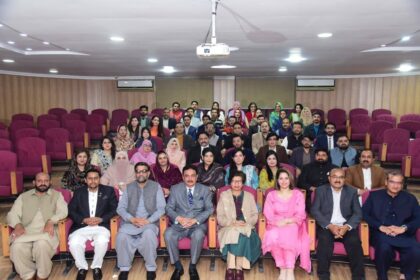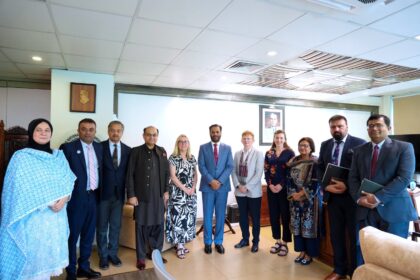





In a major call to action marking World Population Day, Pakistan’s Federal Minister for Health, Syed Mustafa Kamal, has sounded an urgent alarm about the country’s rapidly growing population, emphasizing the need for united, cross-sectoral cooperation to avert what he calls a looming national crisis. Addressing a national audience, Minister Kamal highlighted critical issues including Pakistan’s exceptionally high fertility rates, strained healthcare infrastructure, inadequate access to family planning, and severe socio-economic consequences resulting from unchecked demographic growth.
Speaking at the high-level forum in Islamabad, organized by Pakistan’s Ministry of National Health Services, Minister Kamal declared the population issue as a matter of national survival beyond any partisan politics. He stressed that the burden of population growth is too immense for one ministry or one region alone, urgently calling for national consensus and collective response from political figures, provincial leaders, and various sectors across society.
Minister Kamal provided disturbing statistics underscoring the severity of the population crisis. With a fertility rate of 3.6, Pakistan remains the highest in the region, leading to an annual growth rate of 2.5 percent. This alarming pace results in over six million additional people each year, a figure Kamal compared to adding the entire population of New Zealand annually. Pointing towards severe resource limitations, the minister emphasized the impossibility of accommodating the rapidly expanding population given the country’s existing constraints.
He closely connected Pakistan’s high population growth with widespread real-world implications, including more than 25 million children unable to attend school, an overburdened healthcare system teetering on the brink of collapse, and nearly 40 percent of Pakistani children suffering from crippling malnutrition and stunted growth. Describing hospitals that “resemble political rallies,” Kamal noted doctors being overwhelmed by queues of 250 patients daily, starkly exceeding their intended capacity of 30 to 35 patients.
Minister Kamal also critiqued the fundamental weaknesses of Pakistan’s healthcare infrastructure. He characterized the current approach as a “sick care system,” neglecting the vital preventive measures required for genuine healthcare. Highlighting waterborne illnesses as prime examples, he drew attention to the fact that 68 percent of Pakistani disease stems from unsafe drinking water. He condemned untreated sewage contaminating drinking supplies nationwide, from Gilgit-Baltistan to Karachi, as evidence of ineffective infrastructure management harming the country’s future generations.
At the structural level, Minister Kamal questioned the incentives provided by Pakistan’s National Finance Commission (NFC) Award, which presently allocates 82 percent of government funds based exclusively on provincial population size. Arguing this policy motivates provinces to encourage higher population counts, Kamal proposed revising the fund distribution formula to 50 percent based purely on population, and redistributing the remaining 32 percent as an incentive to reward provinces that successfully lower their fertility rates.
This proposal was echoed in comments by Federal Minister for Planning, Ahsan Iqbal, who announced the formation of a high-level Steering Committee tasked with re-examining population parameters within the NFC framework. Furthermore, Minister Kamal strongly advocated removing the 18 percent General Sales Tax (GST) on contraceptives, encouraging local manufacture to significantly increase accessibility. Reinforcing that family planning is highly desired among Pakistan’s public, he stressed removing cost and availability barriers as an immediate governmental priority.
Adding a significant religious dimension, renowned Islamic scholar Mufti Zubair reaffirmed at the event that planned parenting and maternal health align completely with Islamic teachings. He clarified that responsible family planning is supported by Islamic values of mercy, responsibility, and protecting one’s children, countering misconceptions that family planning contradicts religious beliefs.
Other notable participants underscored commitment to action. Finance Minister Muhammad Aurangzeb recognized how unchecked population expansion undermines national resources, economic growth and equity, pledging to incorporate demographic factors into future fiscal policies. Meanwhile, Speaker of the National Assembly Raja Pervaiz Ashraf praised the Health Ministry’s initiative, urging bipartisan legislative cooperation. Senior political figure Khursheed Shah highlighted the positive outcomes seen in neighbouring Bangladesh from effective population management strategies, calling on Pakistan to follow their example.
International partners also pledged continued support, with UNFPA’s Country Representative Luay Shabaneh reiterating international assistance toward reproductive health and family planning initiatives. Liaqat Ali Khan, representing Khyber Pakhtunkhwa, recommended establishing a dedicated National Population Fund and stressed the importance of thorough demographic planning through the year 2050.
Dr. Tariq Fazal Chaudhary, Minister for Parliamentary Affairs, emphasized the need for increased investment in youth, infrastructure, and civic initiatives. He noted that managing Pakistan’s demographic dividend represents a crucial opportunity, provided strategic and wise investments are quickly implemented.
Concluding the event, Minister Kamal re-emphasized the national urgency of addressing population growth immediately. “No economic plan, no development framework, and no government can function without addressing this issue comprehensively,” he stated. Reinforcing the government’s commitment, the Health Secretary promised evidence-based, inclusive, and sustainable strategies ahead, affirming clearly that managing population growth is not merely a development goal but a national imperative.