



ISLAMABAD: A local study has found that a Pakistani biosimilar GLP-1 medicine delivered diabetes control and weight loss comparable to its multinational reference product, while costing about one quarter of the price, experts said on Sunday.
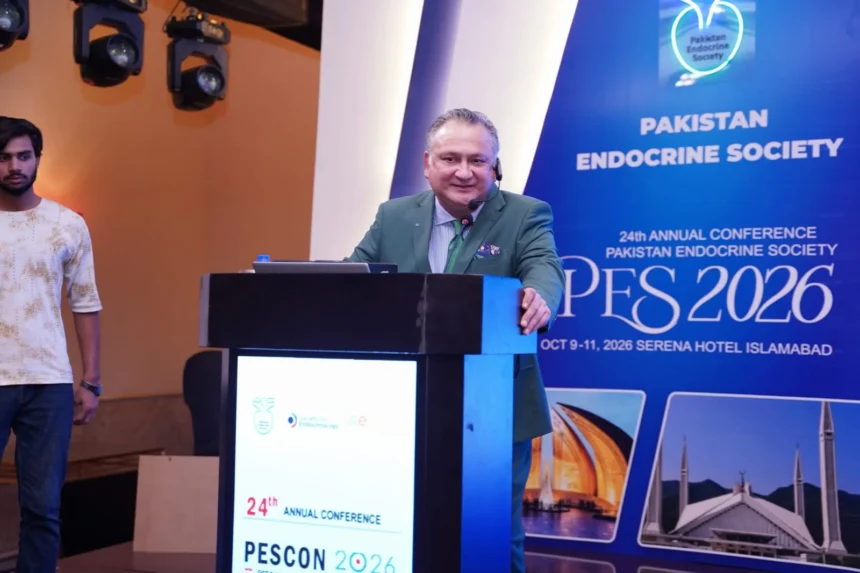
The findings were presented on the concluding day of PESCON 2026, the Pakistan Endocrine Society’s 24th annual conference, held at Serena Hotel, Islamabad, from October 9 to 11.
Medical experts said affordable alternatives were essential in Pakistan, where millions of families struggle to afford costly treatment and patients with diabetes and obesity often require continuous therapy. Lower prices, they said, could help patients buy medicines regularly and sustain treatment.
Consultant endocrinologist Dr Nauman Niaz presented the research, conducted with consultant diabetologist and obesity specialist Dr Muhammad Umar Wahab. The 52-week study followed 1,000 Pakistani patients, with half receiving a locally manufactured GLP-1 medicine and the rest receiving its multinational reference product.
Researchers reported almost identical improvements in blood glucose and body weight in both groups.
According to the presentation, HbA1c, a measure of average blood glucose, fell by 1.42 per cent with the local medicine and 1.39 per cent with the reference product. About 97 per cent of the reduction recorded at one year had been achieved by week 26 and was sustained afterwards.
Average weight loss was approximately 5.4 kilogrammes in both groups, representing reductions of 6.3 per cent and 6.2 per cent, respectively. At least five per cent weight loss was achieved by 63.4 per cent of patients receiving the local medicine and 61.7 per cent of those receiving the international product.
Researchers also reported similar cardiometabolic changes, treatment persistence and recorded adverse events. A total of 92.9 per cent of participants remained on treatment at week 52.
The study was conducted in routine clinical practice and compared one local product, described by researchers as a biosimilar, with its reference medicine. Experts said the findings provided local evidence on outcomes among Pakistani patients receiving the two treatments.
Calling Pakistan the “diabetes capital of the world”, Dr Niaz said a vast majority of patients were poor or unable to afford modern treatments. His presentation cited 34.5 million adults with diabetes in the country and an adult prevalence of 31.4 per cent.
He also cited estimates of 65 million people with metabolic disease and around 110 million who were metabolically unwell. He said medicines had to be within patients’ financial reach if they were to purchase them regularly and manage their conditions.
Experts identified Getz Pharma as one of Pakistan’s leading pharmaceutical companies offering modern GLP-1 medicines at more affordable rates. They said lower-cost alternatives could provide a practical treatment option for poor and lower middle-class patients when clinically appropriate.
Renowned endocrinologist Dr S. Abbas Raza described prescribing costly branded medicine to someone unable to afford it as a “sin”. He called for a sustainable model to ensure a continuous supply of medicines required by patients.
Prof Saeed A. Mahar lauded the study and its Pakistani patient data, and called for more local research to guide treatment decisions. Prof Khurshid Ahmad Khan thanked Pakistani pharmaceutical companies for introducing affordable and effective alternatives to expensive modern medicines, saying these helped poorer patients manage their diseases and continue treatment.