



By: Saadia Sehar Haidari
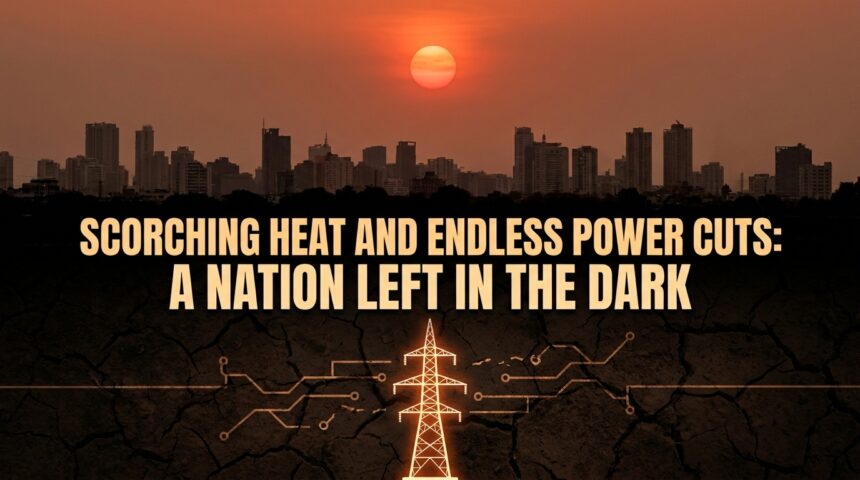
As temperatures in Pakistan continue to break records, life has become increasingly unbearable for millions of citizens. In the federal capital, Islamabad, the mercury soared to around 46°C, making it one of the hottest days of the year. The intense heat has reached a point where even air conditioners and air coolers struggle to provide relief. Homes have turned into ovens, and daily life has become a test of endurance.
Instead of receiving uninterrupted electricity during this extreme weather, people are facing prolonged power outages and frequent load shedding. The situation has added to the misery of families, children, the elderly, and patients who are already suffering from the relentless heat. Every electricity cut means hours without fans, cooling systems, or even clean drinking water in many households.
The irony is difficult to ignore. Consumers continue to pay high electricity bills while also bearing the burden of extended power cuts. Independent Power Producers (IPPs) have long remained part of the country’s power sector, yet many citizens question whether the existing system is capable of meeting Pakistan’s growing energy demands, especially during peak summer months. These concerns have become louder as people struggle through one of the harshest heatwaves in recent years.
Even households that have installed solar panels under the net metering system contribute electricity to the national grid. While this helps strengthen the energy supply, it has not been sufficient to eliminate shortages or ensure reliable power for everyone. The gap between electricity generation and uninterrupted distribution remains a major challenge.
If this is the condition in Islamabad, one can only imagine the hardships faced by people living in other major cities, small towns, and rural areas. In many places, electricity is available only for a few hours a day. Families spend long periods without fans, refrigeration, or access to essential electrical appliances. Businesses suffer financial losses, students are unable to study comfortably, and hospitals face additional operational pressures.
This crisis also brings back memories of a conversation I once had with Pakistan’s renowned nuclear scientist, Dr. Abdul Qadeer Khan, during an interview. He expressed his belief that Pakistan possessed the scientific capability to produce abundant nuclear generated electricity if policymakers provided the necessary support and long-term vision. He believed that such investment could not only meet Pakistan’s domestic energy requirements but could also create opportunities to export electricity in the future to other countries.
Whether or not that vision could have been fully realized, his words reflected the importance of investing in scientific expertise and long-term energy planning. Pakistan has produced brilliant minds capable of transforming the country’s future. The real challenge has always been converting knowledge, innovation, and national talent into practical policies that benefit ordinary citizens.
The present energy crisis is more than an inconvenience, it is a public welfare issue. Reliable electricity is essential for healthcare, education, industry, and economic growth. As climate change intensifies and heatwaves become more frequent, Pakistan needs sustainable energy solutions, modern infrastructure, and efficient management of its power sector.
The people of Pakistan deserve more than temporary promises. They deserve an energy system that keeps homes cool, industries running, and communities safe, especially when temperatures reach life threatening levels. The country’s future depends not only on producing electricity but also on ensuring that it reaches every citizen when it is needed most.