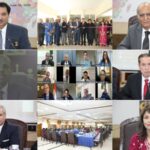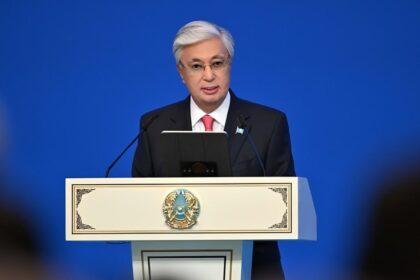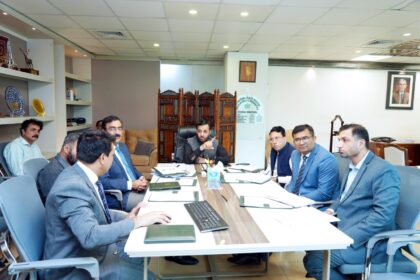




The Institute of Regional Studies in Islamabad convened an expert webinar titled “Towards Stability: US, Iran and the Path Forward for Peace”, bringing together scholars, analysts and observers to examine evolving US Iran relations and their global implications. Dr. Lyudmila Aleksandrovna Pechishcheva of the Russian Academy of Sciences served as the eminent speaker and set out detailed trajectories for the bilateral relationship.
In opening remarks, Ambassador Jauhar Saleem, President of the Institute of Regional Studies, warned that the US Iran relations dynamic carries consequences far beyond immediate security concerns, touching global energy supplies, gas flows, fertilizer output and international food security. He argued that continued disruptions could trigger inflationary shocks and food crises, making sustained diplomatic engagement and a structured negotiation framework urgently necessary.
Ambassador Saleem highlighted practical steps now under consideration, including efforts to unblock vital maritime routes such as the Strait of Hormuz, restore shipping flows and pursue phased de-escalation through negotiated steps. He stressed that sanctions relief and regional security guarantees will require coordinated international action and noted Pakistan’s potential role as a facilitator of dialogue and stability in the process.
Dr. Pechishcheva outlined multiple possible futures for US Iran relations, ranging from a comprehensive grand bargain that would limit nuclear activities and reintegrate Iran into the global economy, to a fragile no-war/no-peace equilibrium built on partial agreements and simmering tensions. She also warned of a darker path where geopolitical rivalry, economic pressure and internal instability could drive escalation.
The discussion underlined the strategic importance of the Strait of Hormuz as a vital energy corridor and how any disruption would reverberate through global oil markets and maritime trade security. Speakers emphasized that safeguarding this route and resuming normal shipping flows are central to reducing shocks to global energy and commodity supplies.
Participants explored emerging diplomatic frameworks that may include phased sanctions relief, partial unfreezing of assets and renewed negotiations on Iran’s nuclear program, with attention to enrichment limits, rigorous verification mechanisms and reciprocal security assurances from key regional and international stakeholders.
Reflecting on wider geopolitical trends, the webinar examined debates over multipolarity and the shifting balance of power, noting the influence of major international actors on Middle East outcomes. The session concluded with broad agreement that sustained diplomacy, calibrated restraint and multilateral engagement remain essential to preventing escalation and promoting long-term regional and global peace and stability.