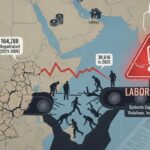




The World Health Organization warns that tobacco causes an estimated 164,000 deaths and inflicts economic losses of over PKR 1,800 billion (around US$6.6 billion) in Pakistan every year, highlighting the urgent need to tackle tobacco deaths and addiction at scale.
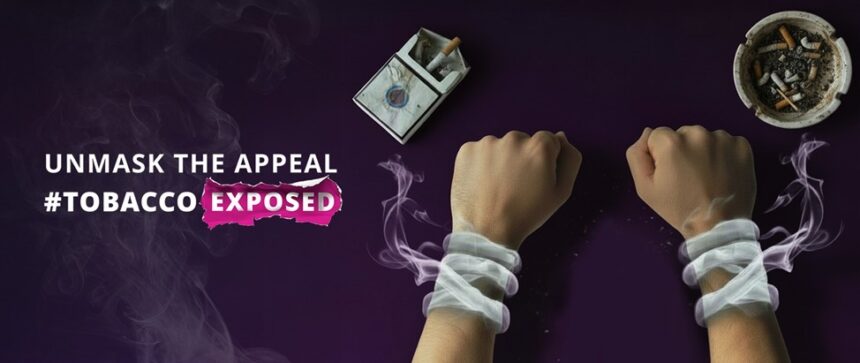
Ahead of World No Tobacco Day on 31 May, WHO says the tobacco and nicotine industry is increasingly targeting children and adolescents by redesigning and repackaging products to create new users and sustained addiction. WHO has launched an international campaign under the theme Unmasking the appeal countering nicotine and tobacco addiction to expose these tactics and press for stronger protections for young people.
WHO notes the economic damage from tobacco in Pakistan is roughly seven times higher than the sector’s total tax contribution, estimated at about PKR 265 billion in 2025. All tobacco and nicotine products on the market, including licit and illicit items and newer products such as e-cigarettes, are considered highly harmful and pose special risks to vulnerable groups like children and teenagers.
Evidence shows tobacco kills up to half of users who do not quit and is a leading cause of preventable deaths from cardiovascular disease, lung disease, stroke and multiple cancers. WHO Representative in Pakistan Dr Dapeng Luo said, ‘Tobacco is a killer. It is destroying families and straining our health systems. All tobacco products on the market are extremely toxic and dangerous.’ The office reiterated the importance of bold measures to reduce tobacco deaths and protect public health.
Global figures underline the scale of the challenge for Pakistan’s youth. At least 40 million children aged 13 to 15 report current use of at least one tobacco product, including 20 million who smoke cigarettes, 10 million who use smokeless tobacco and at least 15 million who already use e-cigarettes. In countries with data, children are on average nine times more likely than adults to vape.
Pakistan ratified the WHO Framework Convention on Tobacco Control in 2004 and WHO continues to provide technical support to the Ministry of National Health Services Regulations and Coordination and the Federal Board of Revenue on tobacco tax policy and track-and-trace implementation. WHO urges the use of taxation to both reduce consumption and increase revenue for health priorities. With FED rates on cigarettes unchanged since February 2023 and taxation levels below the WHO recommended 75 percent of retail price, there is a clear opportunity to strengthen fiscal measures and curb the affordability of tobacco.
WHO stands with the Government of Pakistan in efforts to reduce tobacco consumption, protect children from industry tactics and reduce the heavy toll of tobacco deaths on families and the national economy.