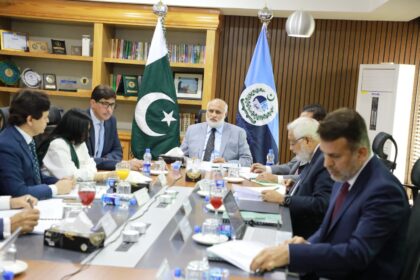




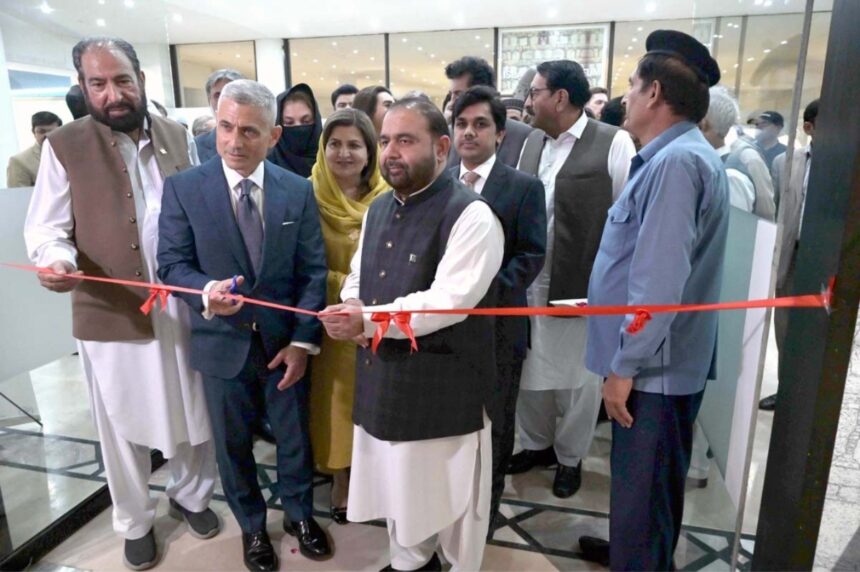
The Islamabad Museum opened a new exhibition titled Legacy Returns Home showcasing repatriated artifacts returned from the United States, inaugurated by Federal Minister for National Heritage and Culture Division Aurangzeb Khan Khichi. The exhibition presents selected pieces that Pakistani authorities and international partners recovered after interception by U.S. Homeland Security and handover by the New York District Attorney under Article 7(b)(ii) of the UNESCO 1970 Convention and the bilateral agreement signed on January 30, 2024.
The federal minister described the return as the recovery of an integral part of Pakistan’s history and identity, calling the objects “a part of Pakistan’s soul.” He linked the displayed repatriated artifacts to the country’s civilizational legacy, from the urban sophistication of the Indus Valley Civilization to the artistic heritage of Gandhara, and stressed that these pieces reflect centuries of artistic achievement and cultural tradition.
Secretary National Heritage and Culture Division Asad Rehman Gilani underlined the exhibition as a symbol of justice and international cooperation and reiterated the government’s commitment to protecting archaeological heritage through laws such as the Antiquities Act 1975 and international frameworks including the UNESCO 1970 Convention. The secretary noted that organized criminal networks continue to threaten vulnerable sites, particularly in the Gandhara region, and highlighted steps to strengthen documentation, site protection and professional capacity building.
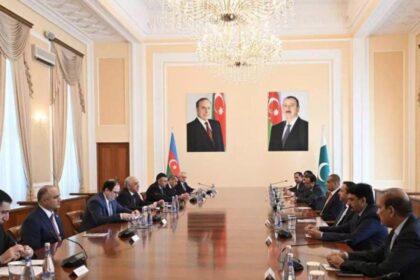
Officials acknowledged the role of bilateral mechanisms in enabling returns, including the Hold Harmless Release Agreement signed in 2024, and thanked U.S. authorities, Homeland Security, the District Attorney’s Office in New York, cultural institutions and the U.S. Embassy in Islamabad for their cooperation. The Department of Archaeology and Museums and its Director General Amanullah were commended for organizing the exhibition and advancing conservation and research efforts.
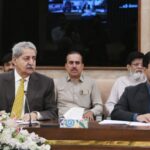
The guest of honour, S. Paul Kapur, Assistant Secretary at the U.S. Embassy in Pakistan, spoke of strong bilateral ties in areas ranging from heritage to education and health. Parliamentary Secretary Farah Naz Akbar, Chairperson Syeda Nosheen Iftikhar and MNA Tufail Jutt attended the ceremony, reflecting parliamentary and public support for preserving national heritage.
The collection on display includes rare stone and stucco Buddhist sculptures, relic caskets, narrative Gandharan reliefs, a rare Indo-Greek gold coin and significant terracotta figurines and painted pottery from Balochistan dating as far back as 7000 BC. These repatriated artifacts underscore both the richness of Pakistan’s past and the tangible losses caused by illegal excavation, theft and illicit trafficking.
Official records presented at the event note that a total of 513 artifacts have been repatriated from the United States in phases: 39 items in 2007, 46 on 31 August 2021, 104 on 9 September 2023, 191 on 6 February 2025 and 133 on 26 August 2025. The exhibition aims to raise public awareness about the destructive impact of antiquities trafficking and to reaffirm Pakistan’s resolve to protect its cultural heritage through strengthened institutions, international cooperation and public engagement.