



RAWALPINDI: Chairman Higher Education Commission (HEC) Prof Dr Niaz Ahmad Akhtar (S.I.) has urged researchers to focus their work on pressing social issues and develop innovative, evidence-based solutions to address challenges faced by society.
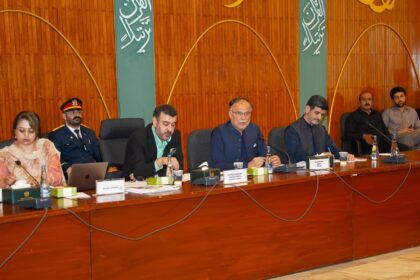
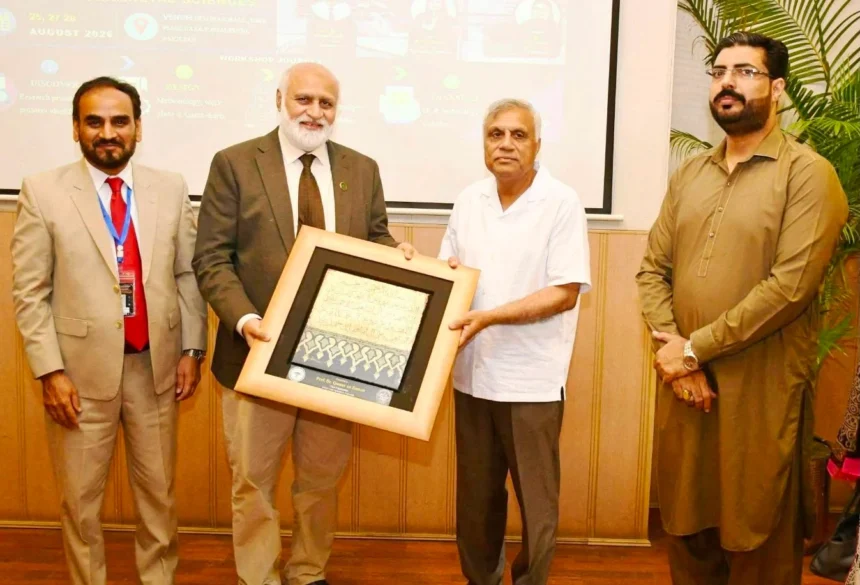
He was addressing the inaugural ceremony of a three-day international workshop on “Capacity Building in Project Proposal Development for Innovative Research & Technology Development” at Pir Mehr Ali Shah Arid Agriculture University Rawalpindi (PMAS-AAUR) on August 25, 2026.
The workshop has been organised by the Institute of Soil and Environmental Sciences (IS&ES), PMAS-AAUR, under the patronage of Vice Chancellor Prof Dr Qamar-uz-Zaman. Prof Dr Niaz Ahmad Akhtar attended the inaugural ceremony as chief guest.
Speaking on the occasion, the HEC chairman highlighted the critical importance of well-structured project proposals in securing research and development funding from national and international donor agencies.
He said research should not remain confined to academic publications, but should contribute meaningfully to solving real-world problems and improving the quality of life of people.
PMAS-AAUR Vice Chancellor Prof Dr Qamar-uz-Zaman said universities were not merely centres of teaching and learning, but were also expected to serve as centres of knowledge creation, innovation, problem-solving and societal transformation.
He said the workshop was an important step towards developing a culture in which ethically sound and scientifically robust research ideas could be transformed into successful projects, meaningful innovations and practical solutions.
The vice chancellor expressed the hope that participating researchers would benefit from the expertise of national and international specialists.
Director Institute of Soil and Environmental Sciences and convener of the international workshop Prof Dr Azeem Khalid said the workshop was being conducted in hybrid mode. He said it comprised five technical sessions and featured a panel of 14 national and international experts with diverse academic, research and professional experience.